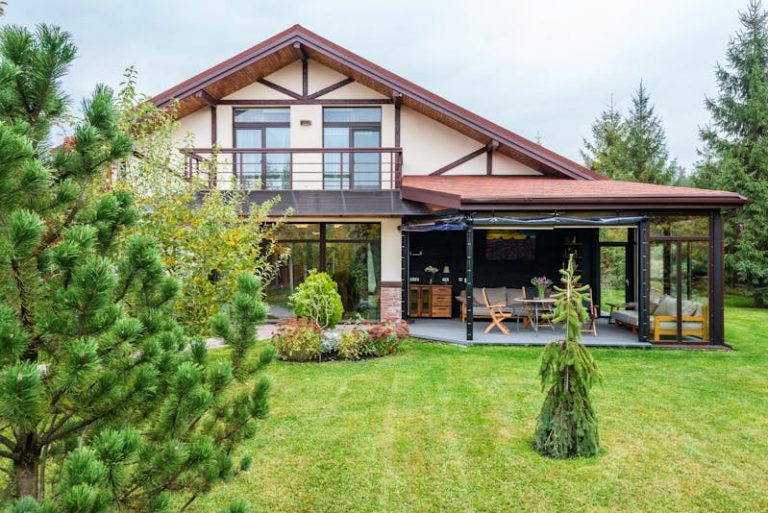

- Plan flexible zones in your backyard for relaxation, dining, play, and storage to ensure usability in all seasons.
- Choose durable, weather-resistant materials for patios, furniture, and structures to reduce maintenance and withstand changing weather.
- Select plants that provide year-round interest, including evergreens, seasonal bloomers, and ornamental grasses.
- Incorporate structures like pergolas, gazebos, and covered patios to provide shade, shelter, and comfort throughout the year.
- Use layered outdoor lighting to enhance safety, ambiance, and functionality even during shorter days or colder months.
- Design with maintenance in mind, including easy-care landscaping, accessible storage, and seasonal preparation strategies.
- Focus on adaptability and long-term usability so your backyard remains enjoyable and visually appealing all year.
Designing a backyard that looks great only during summer is a missed opportunity. Homeowners who plan their outdoor spaces thoughtfully can enjoy comfort, beauty, and functionality throughout the year—regardless of changing weather conditions. A well-designed backyard adapts to heat, rain, cold, and everything in between, while remaining easy to maintain and visually appealing.
Seasonal backyard design isn’t about constant renovation. Instead, it focuses on smart layout choices, durable materials, adaptable features, and landscaping elements that perform well year-round. Whether you love hosting gatherings, relaxing outdoors, or simply boosting your home’s value, a four-season backyard design helps you get more out of your property.
This guide explores practical, homeowner-friendly ideas to help you design a backyard that works in every season, from layout planning to plant selection, structures, lighting, and maintenance strategies.
Plan a Flexible Layout That Adapts to Every Season
A successful year-round backyard starts with a flexible layout that supports multiple activities and weather conditions. Homeowners often focus on aesthetics first, but usability should be the foundation of any outdoor design. A thoughtfully planned layout ensures that your backyard remains functional whether it’s sunny, rainy, cold, or windy, without requiring constant rearrangement or upgrades.
Seasonal flexibility begins by dividing your backyard into purposeful zones. These zones should support relaxation, dining, play, and storage while allowing smooth movement between spaces. Planning with seasonal transitions in mind also helps prevent overcrowding, muddy areas, or underused corners that become unusable during certain months. The goal is to design once and enjoy year-round.
A flexible layout also considers exposure to sun, wind, and drainage. Knowing where snow collects, water pools, or shade dominates allows homeowners to make smarter design decisions that reduce maintenance and increase comfort.
Key layout strategies to consider
- Create multi-use zones that can serve different purposes across seasons
- Position seating areas near wind barriers or natural shade
- Ensure proper drainage to prevent soggy ground during rainy months
- Keep pathways clear and accessible year-round
Common layout mistakes to avoid
- Designing only for summer use
- Ignoring the sun and wind direction
- Overcrowding small yards with fixed structures
Consider Hardscaping Design for Year-Round Usability
Incorporating smart hardscaping design into your backyard layout can significantly improve its functionality across seasons. Patios, pathways, retaining walls, and stone features not only enhance visual appeal but also create practical surfaces that remain usable in rain, snow, or heat. By blending these elements with natural landscaping, homeowners can define zones, improve drainage, and reduce maintenance while adding structure and character.
Explore Creative Hardscaping Ideas
When thinking about hardscaping ideas, consider materials and layouts that complement your home’s architecture and overall backyard theme. Curved stone walkways, raised garden beds, or built-in seating areas can provide beauty and practicality. Even simple additions like a gravel path or stone fire pit can make your backyard more inviting and functional throughout the year.
Design Your Backyard With Durable, All-Season Materials
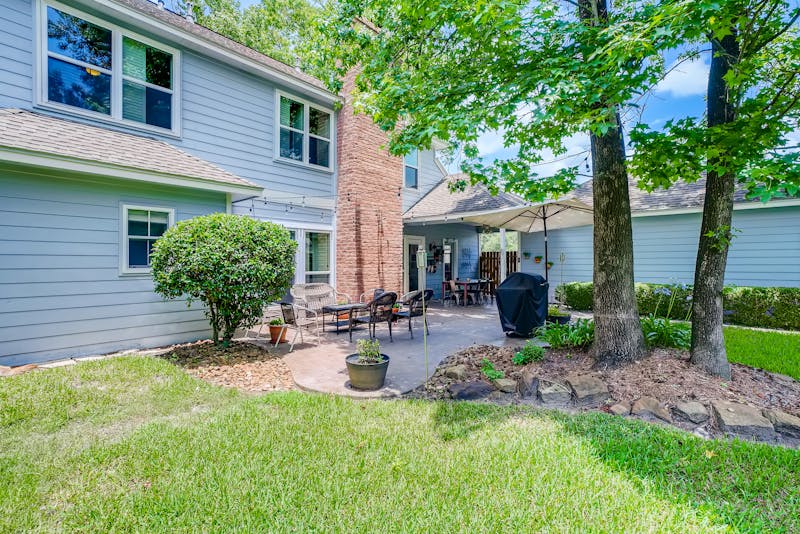
Choosing the right materials is essential when you design your backyard for year-round performance. Homeowners often underestimate how much seasonal weather can impact surfaces, furniture, and structures. Materials that look great in summer may crack, fade, or warp when exposed to rain, heat, or cold over time.
Durable materials reduce long-term costs and minimize maintenance. When selecting materials, it’s important to consider moisture resistance, temperature changes, and safety during wet or icy conditions. Slip-resistant surfaces, weather-treated wood, and rust-resistant metals all play a role in creating a backyard that lasts through every season.
Material selection also affects comfort. Surfaces that stay cool in summer and safe in winter improve usability. By prioritizing quality materials, homeowners create an outdoor space that feels intentional rather than temporary.
Best all-season materials for backyard design
- Composite decking that resists moisture and temperature changes
- Natural stone or concrete pavers with proper sealing
- Pressure-treated or cedar wood for structures
- Powder-coated metal for furniture and fixtures
Areas where durability matters most
- Patios and walkways
- Pergolas, gazebos, and fences
- Outdoor furniture and storage
Choose Plants That Look Good in Every Season
Landscaping plays a major role in how your backyard feels throughout the year. Many homeowners focus on spring blooms or summer greenery, only to end up with bare, lifeless yards during fall and winter. A year-round backyard design uses plant variety and structure to maintain visual interest in every season.
The key is to mix evergreen plants, seasonal bloomers, ornamental grasses, and trees with interesting bark or foliage. This layered approach ensures that when one plant fades, another takes visual priority. Native plants are especially valuable because they adapt better to local climate conditions and require less maintenance.
Plant placement also matters. Grouping plants based on sunlight and water needs keeps your yard healthier and more resilient. Thoughtful landscaping design reduces seasonal die-off and keeps your backyard looking intentional all year long.
Plants that support year-round interest
- Evergreen shrubs and trees
- Perennials with staggered bloom cycles
- Ornamental grasses for texture and movement
- Trees with colorful fall foliage or winter bark
Smart planting tips for homeowners
- Choose native species when possible
- Use mulch to protect roots year-round
- Mix heights and textures for visual balance
Add Structures That Provide Shade, Shelter, and Comfort
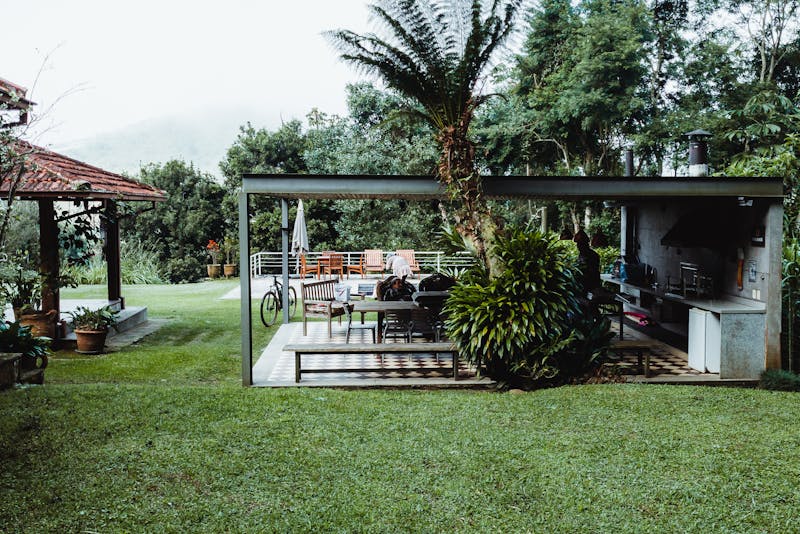
Backyard structures are essential for extending outdoor use beyond ideal weather conditions. Homeowners who include shelter elements can enjoy their backyards during hot summers, rainy seasons, and cooler months. These structures also add visual interest and increase property value.
Permanent or semi-permanent structures help define outdoor zones and provide comfort regardless of the weather. Shade structures protect from harsh sun, while enclosed or covered areas allow continued use during rain or cold. The best designs integrate seamlessly with the rest of the backyard layout.
When planning structures, homeowners should consider scale, materials, and adaptability. Structures should complement the home’s architecture and remain functional across seasons without feeling bulky or intrusive.
Popular all-season backyard structures
- Pergolas with adjustable covers
- Gazebos or pavilions for rain protection
- Covered patios or decks
- Retractable awnings or shade sails
Benefits of adding backyard structures
- Extended outdoor usability
- Improved comfort and shade
- Increased home value
- Better defined outdoor zones
Use Lighting to Extend Backyard Use Year-Round
Outdoor lighting is often overlooked, yet it’s one of the most effective ways to make a backyard usable throughout the year. Shorter days during fall and winter don’t have to limit outdoor enjoyment. With the right lighting plan, homeowners can safely and comfortably use their backyard well into the evening.
Good lighting enhances both functionality and aesthetics. It improves safety on walkways, highlights landscaping features, and creates a warm atmosphere during colder months. Layered lighting—combining ambient, task, and accent lighting—offers flexibility across seasons and occasions.
Weather-resistant lighting fixtures are essential for long-term use. Solar, LED, and low-voltage systems provide energy efficiency while maintaining consistent performance in changing weather conditions.
Types of outdoor lighting to include
- Pathway lights for safety
- String or overhead lights for ambiance
- Spotlights for trees or architectural features
- Step and deck lighting for visibility
Lighting tips for homeowners
- Use timers or smart controls for convenience
- Choose fixtures rated for outdoor use
- Avoid overly bright lighting that causes glare
Prepare Your Backyard for Seasonal Maintenance and Transitions
Even the best-designed backyard requires maintenance, but smart planning reduces the effort needed across seasons. Homeowners who plan for seasonal transitions early can avoid costly repairs, plant loss, and unnecessary labor. A low-maintenance approach keeps the backyard enjoyable rather than overwhelming.
Seasonal maintenance should be built into the design itself. This includes choosing easy-care plants, accessible storage, and materials that don’t require constant treatment. Preparing for seasonal changes also means having systems in place to protect furniture, plants, and surfaces when the weather shifts.
By designing with maintenance in mind, homeowners ensure their backyard remains usable and attractive throughout the year without becoming a burden.
Maintenance-friendly design features
- Built-in storage for cushions and tools
- Easy-access irrigation systems
- Mulched planting beds
- Weather-resistant furniture
Seasonal preparation checklist
- Clean and seal surfaces before winter
- Trim plants and remove debris in fall
- Check drainage after heavy rain
- Refresh mulch and soil in spring
Create a Backyard That Works All Year, Not Just One Season
Designing a backyard for every season is about thoughtful choices rather than constant upgrades. Homeowners who focus on flexibility, durability, and adaptability can enjoy outdoor living regardless of weather changes. From layout planning and material selection to plants, lighting, and maintenance, each decision contributes to a backyard that performs year-round.
A well-designed backyard becomes an extension of your home—one that offers comfort, beauty, and functionality in every season. By planning ahead and designing with long-term use in mind, homeowners can maximize their outdoor space and enjoy it throughout the entire year.