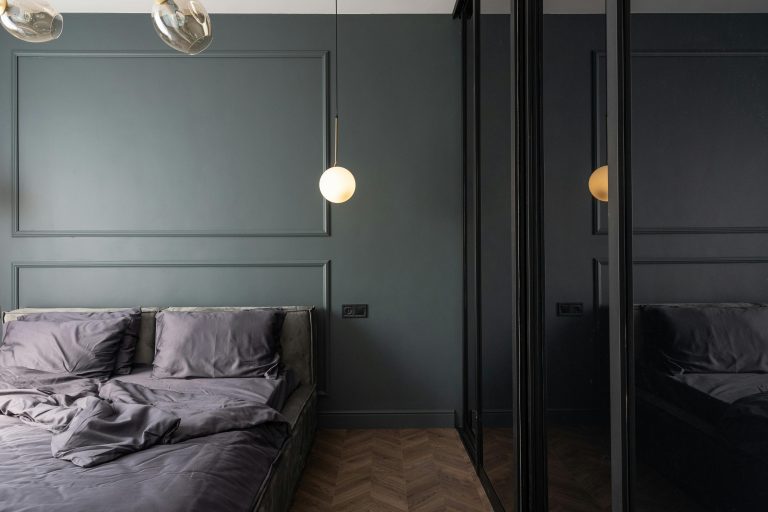

Living with a dark room that gets little or no natural light can be frustrating. These spaces often feel smaller, colder, and less welcoming than rooms filled with sunlight. Basements, interior bedrooms, bathrooms, hallways, and apartments surrounded by other buildings are common examples. Without windows, it may feel like there’s nothing you can do to improve the brightness.
The good news is that you have more control than you think. With smart lighting choices, the right colors, and thoughtful design decisions, even the darkest room can feel brighter, warmer, and more comfortable. You don’t need major renovations or expensive upgrades to make a big difference.
This guide breaks down proven, practical ways to lighten a dark room with no natural light. These ideas work for renters and homeowners and can be adjusted for any budget or room size.
Why Dark Rooms Feel Uncomfortable
Natural light does more than brighten a room. It helps define space, softens shadows, and makes colors appear more vibrant. When a room lacks windows, artificial lighting often struggles to do the same job on its own.
Dark rooms often feel uncomfortable because:
- Light sources are limited or poorly placed
- Shadows collect in corners and along walls
- Colors look dull or flat
- Ceilings may feel lower
- The room can feel closed in or cramped
Understanding these challenges makes it easier to fix them with intentional design choices.
Build a Strong Lighting Foundation
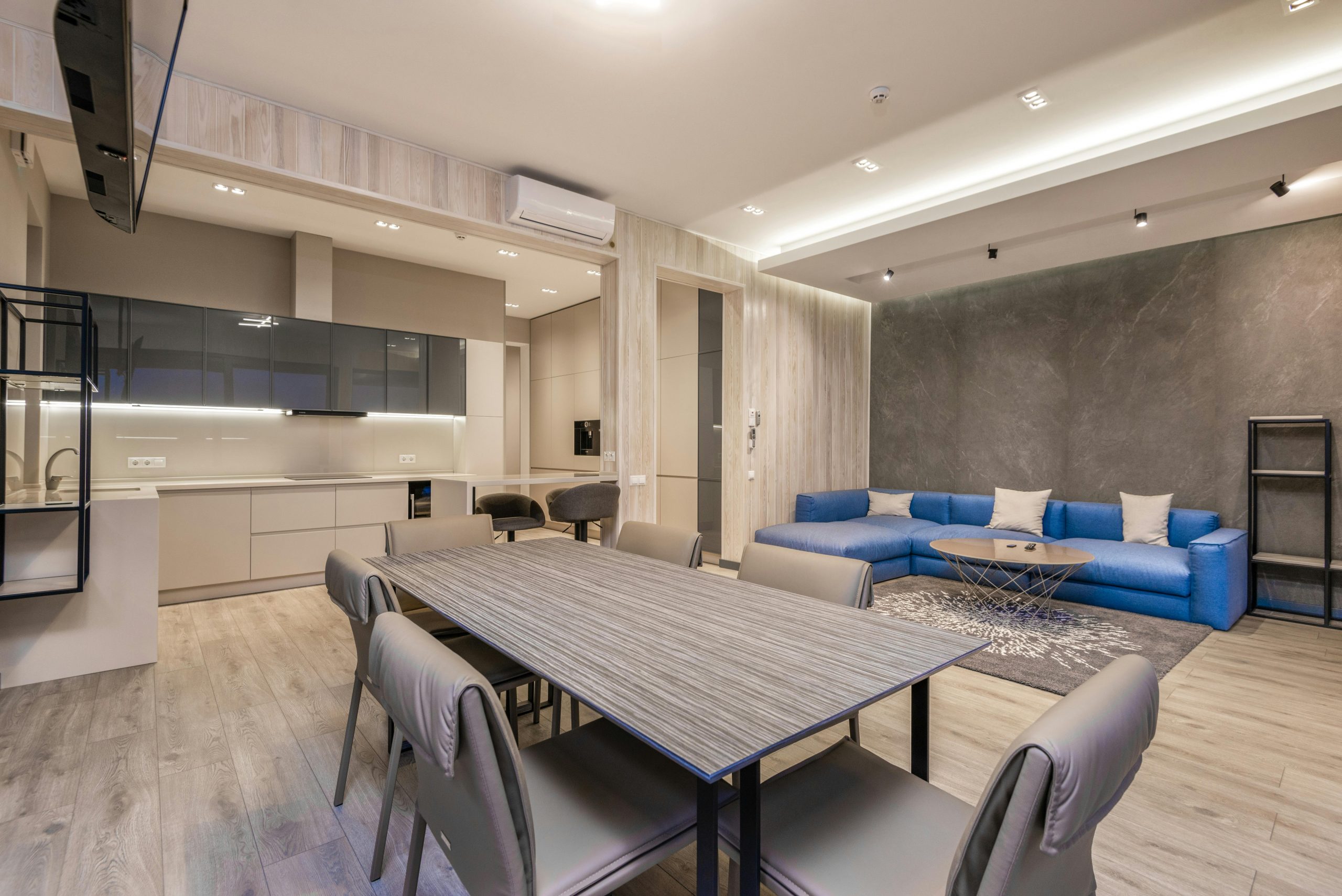
Lighting is the single most important element in brightening a windowless room. One ceiling fixture is rarely enough. Instead, aim to spread light evenly throughout the space.
Use Layered Lighting
Layered lighting creates balance and reduces harsh shadows by adding light at different heights.
A well-lit room usually includes:
- Ambient lighting: General lighting that fills the room, such as ceiling fixtures
- Task lighting: Focused lighting for activities like reading or working
- Accent lighting: Decorative lighting that highlights walls or features
Using all three layers creates depth and helps the room feel more open and inviting.
Choose Bulbs That Mimic Daylight
Not all light bulbs are equal. The wrong bulb can make a room feel yellow, dull, or gloomy.
Best Bulb Features for Dark Rooms
- Color temperature between 4000K–5000K: Mimics daylight
- High lumen output: Brighter light with better coverage
- LED bulbs: Long-lasting and energy efficient
Avoid very warm bulbs (2700K or lower) in windowless rooms, as they can make the space feel dim and closed.
Brighten Walls With the Right Paint Colors
Paint color has a powerful effect on how light behaves in a room. Dark shades absorb light, while lighter colors reflect it.
Best Wall Colors for Rooms With No Windows
Light and neutral colors work best:
- White and soft off-white
- Cream or ivory
- Light gray
- Pale beige
- Soft pastel tones
These shades bounce light around the room and reduce shadow buildup.
Keep Color Consistent
Using the same color on walls and trim helps eliminate visual breaks. Fewer contrasts make the space feel larger and brighter.
Make the Ceiling Work for You
Ceilings play a big role in how light spreads through a room, but they are often overlooked.
Ceiling Tips for Dark Rooms
- Paint the ceiling white or a lighter shade than the walls
- Avoid dark or bold ceiling colors
- Choose smooth finishes instead of heavy textures
A bright ceiling reflects light downward and makes the room feel taller and more open.
Use Mirrors to Multiply Light
Mirrors are one of the most effective tools for brightening dark spaces. They reflect light and visually expand the room.
Smart Mirror Placement
Mirrors work best when placed:
- Across from light fixtures
- Behind lamps
- On large blank walls
- Near seating or work areas
A large mirror creates more impact than several small ones, but any reflective surface helps.
Pick Furniture That Keeps the Room Open
Heavy, bulky furniture can block light and make a room feel crowded. Choosing lighter pieces improves brightness and airflow.
Furniture Choices That Brighten a Room
- Light-colored upholstery
- Furniture with exposed legs
- Glass or acrylic tables
- Slim, low-profile designs
Avoid oversized or dark furniture that absorbs light and creates shadows.
Improve the Floor’s Impact
Dark flooring can drag a room down visually. Light floors help bounce light upward.
Flooring Ideas for Dark Rooms
- Light wood or laminate
- Neutral vinyl plank flooring
- Pale tile
- Large, light-colored area rugs
If replacing floors isn’t an option, rugs are a simple and affordable solution.
Add Reflective Decor and Finishes
Shiny surfaces help spread light and prevent the room from feeling flat.
Reflective Elements to Include
- Metallic accents (silver, chrome, brass)
- Glass vases or tables
- Glossy paint finishes
- Mirrored decor pieces
Use reflective items sparingly to avoid glare while still enhancing brightness.
Install Wall Lighting and Uplights
Wall-mounted lighting helps brighten vertical surfaces and reduce shadows.
Benefits of Wall Lighting
- Evenly spreads light
- Adds visual height
- Saves floor space
- Softens harsh overhead light
Uplighting, which directs light toward the ceiling, makes the room feel taller and more open.
Create the Illusion of Windows
Even without real windows, you can create the feeling of natural light.
Window Illusion Ideas
- Hang curtains over a blank wall
- Install backlit panels behind sheer fabric
- Use framed artwork that looks like windows or landscapes
These tricks add depth and reduce the boxed-in feeling.
Keep the Space Organized and Uncluttered
Clutter absorbs light and creates unnecessary shadows. A tidy room always feels brighter.
Simple Decluttering Tips
- Use closed storage
- Keep surfaces clear
- Limit decorative items
- Store unused items out of sight
Less clutter allows light to move freely through the space.
Bring in Plants and Green Accents
Plants add life and contrast, even in rooms with no sunlight.
Best Options for Dark Rooms
- Low-light plants
- Artificial greenery
- Light-colored planters
- Hanging plants near light sources
Green accents add warmth without darkening the space.
Choose Artwork That Reflects Light
Artwork can either help or hurt brightness.
Art That Works Well in Dark Rooms
- Light backgrounds
- Minimal designs
- Metallic or white frames
- Nature or abstract themes
Avoid heavy, dark artwork that absorbs light.
Optimize Your Room Layout
How furniture is arranged affects how light spreads.
Layout Tips for Better Brightness
- Place seating near light sources
- Avoid blocking lamps
- Keep walkways open
- Angle furniture to reflect light
Small layout changes can lead to noticeable improvements.
Upgrade Old Light Fixtures
Outdated fixtures often block light instead of spreading it.
Best Fixture Styles for Dark Rooms
- Open or clear shades
- Multi-bulb fixtures
- Flush-mount ceiling lights
- Adjustable track lighting
Avoid dark or enclosed fixtures that trap light.
Use Smart Lighting Technology
Smart bulbs allow you to control brightness and color temperature.
Advantages of Smart Lighting
- Adjust light levels easily
- Mimic daylight tones
- Set schedules
- Reduce eye strain
This flexibility helps maintain comfort throughout the day.
Brightening Small or Narrow Spaces
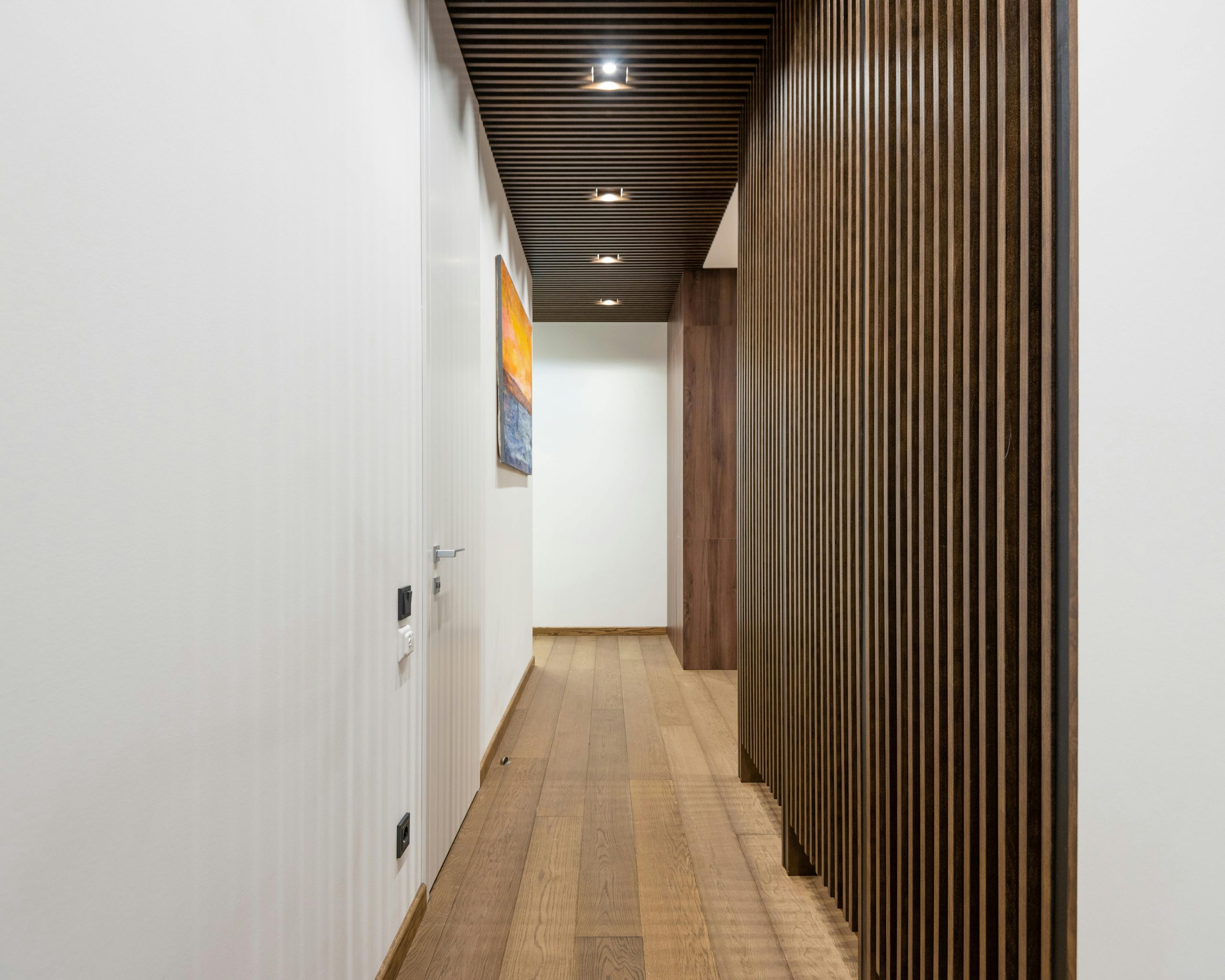
Hallways, closets, and bathrooms often lack windows.
Helpful Solutions
- LED strip lighting
- Motion-sensor lights
- Continuous ceiling fixtures
- Light wall colors
Even small spaces can feel open with the right lighting plan.
Common Mistakes to Avoid
Certain choices can make dark rooms feel worse.
Avoid:
- Using only one light source
- Choosing dark paint or furniture
- Ignoring ceiling color
- Blocking light paths
- Using overly warm bulbs
Being intentional prevents wasted time and money.
Budget-Friendly Ways to Brighten a Dark Room
You don’t need a full remodel or expensive upgrades to make a dark room feel brighter. Simple, affordable changes can dramatically improve how light moves through the space. By focusing on small details, you can refresh a room without stretching your budget.
Switching to brighter bulbs: One of the easiest and cheapest fixes is changing your light bulbs. Replace low-lumen or warm yellow bulbs with brighter LED bulbs that have a daylight or soft white tone. This instantly improves visibility and reduces dull shadows without changing fixtures.
Adding mirrors: Mirrors reflect light and visually open up a room. A single large mirror placed across from a light source can double the brightness. Even small mirrors grouped together can help spread light around the space.
Painting walls lighter: A fresh coat of light-colored paint can transform a dark room. Whites, creams, or pale neutrals reflect light instead of absorbing it, making the room feel more open and airy.
Rearranging furniture: Moving furniture away from light sources prevents shadows and improves light flow. Keeping pathways open also helps the room feel larger and brighter.
Using reflective decor: Decor items made from glass, metal, or glossy finishes bounce light throughout the room. Small changes like shiny picture frames or metallic accents can make a noticeable difference.
Small changes like these can make a big impact without breaking the bank.
Conclusion
Learning how to lighten a dark room with no natural light is about working smarter with lighting, color, and design. By layering light sources, choosing reflective surfaces, using light paint colors, and keeping the space uncluttered, you can transform even the darkest room into a comfortable and inviting space. Mirrors, thoughtful furniture choices, and modern lighting upgrades help replace the brightness that windows usually provide. You don’t need sunlight to create warmth, style, and openness. With the right approach, any windowless room can feel bright, functional, and welcoming every day.