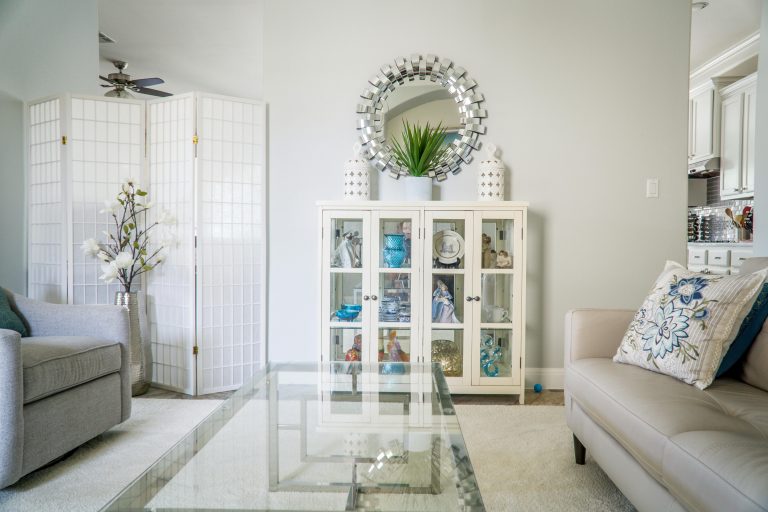

Natural light can completely transform the look and feel of your home. A well-lit room feels larger, more inviting, and even improves your mood. Many homeowners struggle with rooms that feel dark or cramped, but with a few clever strategies, you can brighten almost any space. This guide explores practical ways to add natural light to your room and make your home feel fresh and welcoming.
1. Maximize Your Windows
Windows are the most obvious way to bring in natural light, but many people underutilize them. Here are some tips to make the most of your windows:
- Keep them clean: Dirt and grime can block sunlight. Regularly clean both the inside and outside of your windows.
- Avoid heavy curtains: Thick drapes can block sunlight. Instead, use light fabrics or sheer curtains that let light through.
- Use window treatments wisely: Consider blinds that can be angled to reflect light into the room rather than block it completely.
- Expand window size: If possible, replace small windows with larger ones or add extra windows to increase daylight.
- Consider skylights: Adding skylights can dramatically increase natural light, especially in rooms without external walls.
Even a small change in how you use your windows can significantly impact the brightness of a room.
2. Use Mirrors to Reflect Light
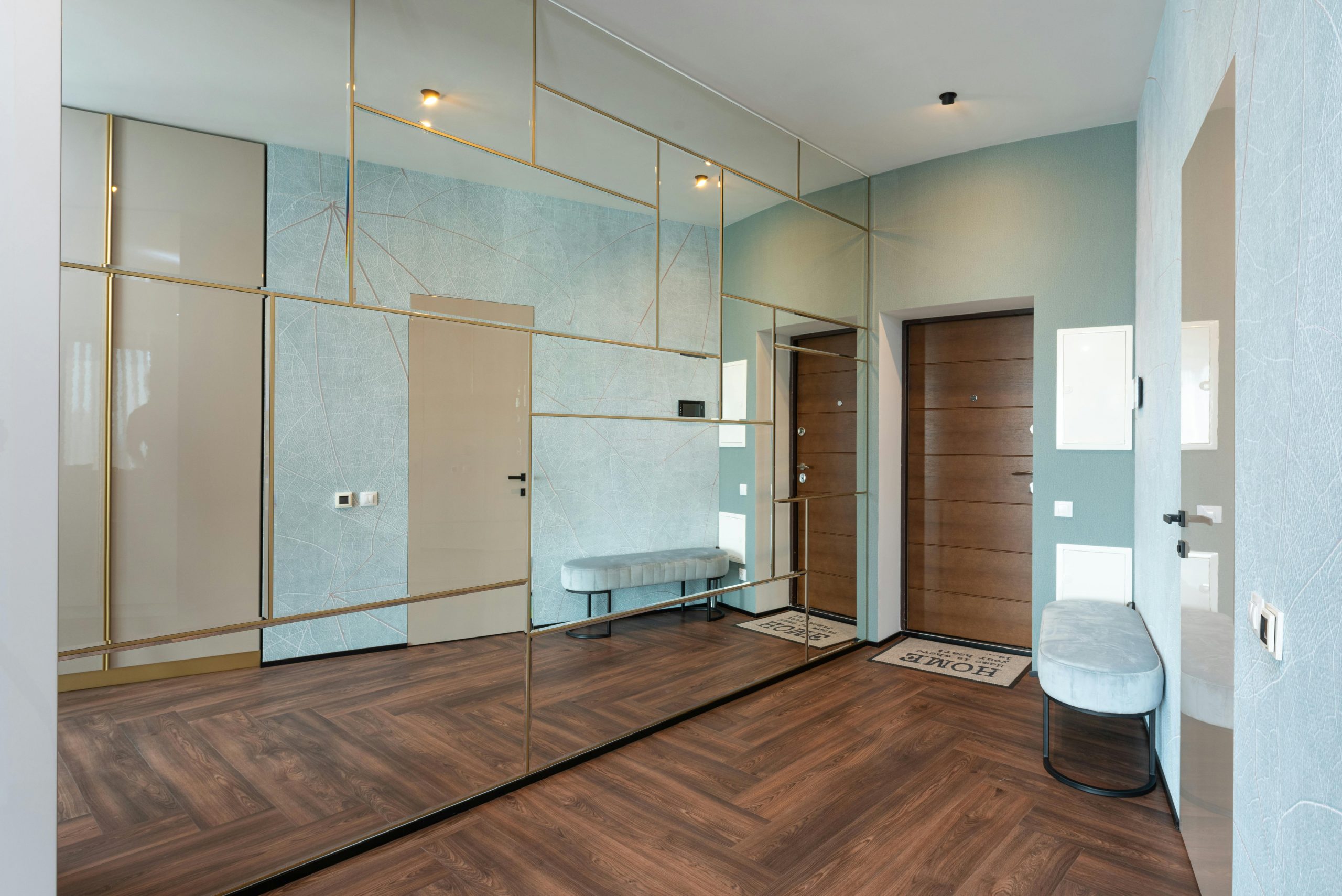
Mirrors are a simple but highly effective way to amplify natural light. They reflect sunlight from windows into the darker areas of the room.
- Position mirrors opposite windows: This maximizes the reflection and spreads light across the room.
- Use large mirrors: Bigger mirrors create the illusion of more space and increase the amount of reflected light.
- Consider mirrored furniture: Items like mirrored dressers or side tables can subtly add more light.
- Use multiple mirrors: Placing several smaller mirrors strategically around the room can brighten corners and reduce shadows.
Mirrors aren’t just decorative—they’re a practical tool to make a room feel sunnier and more open.
3. Choose Light-Colored Walls and Ceilings
Color plays a crucial role in how light interacts with a space. Dark walls absorb light, making rooms feel smaller, while light colors reflect it, brightening the room.
- Opt for white or soft neutrals: White, cream, and pastel shades bounce light and enhance natural brightness.
- Use glossy or satin finishes: These finishes reflect light better than matte paint.
- Consider lighter floors: Hardwood, laminate, or light-colored rugs can add brightness from the ground up.
Even small adjustments, like painting just one accent wall in a light color, can improve the overall brightness.
4. Install Glass Doors or Panels
Doors can also contribute to the amount of natural light in a room. Using glass elements allows light to flow between spaces.
- French doors: These allow light to move from one room to another while adding a stylish touch.
- Sliding glass doors: Ideal for patios or sunrooms, they bring in daylight and offer outdoor views.
- Glass panels in interior doors: Adding small glass panels to existing doors can brighten hallways and interior rooms.
Glass doors create a sense of openness while letting natural light flow freely.
5. Use Reflective and Light-Enhancing Accessories
Even small décor changes can make a big difference in brightness. Accessories that reflect or enhance light help brighten rooms naturally.
- Metallic accents: Gold, silver, and chrome fixtures or décor reflect sunlight.
- Glass or acrylic furniture: Transparent furniture doesn’t block light, keeping rooms airy.
- Light-colored fabrics: Cushions, rugs, and throws in soft colors amplify brightness.
Strategically using reflective items makes rooms feel lighter and more spacious.
6. Trim Outdoor Obstacles
Sometimes, the problem isn’t inside the room but outside. Trees, bushes, or structures can block sunlight from entering your windows.
- Trim overgrown trees: Ensure branches aren’t shading windows excessively.
- Remove obstructive bushes: Keep window areas clear to allow maximum light.
- Reposition outdoor furniture or structures: Anything casting shadows on windows can reduce natural light.
A few minutes of maintenance outside can significantly improve indoor lighting.
7. Add Skylights or Sun Tunnels
If your room has limited wall space or is surrounded by other structures, skylights or sun tunnels are excellent solutions.
- Skylights: Ideal for rooms with direct roof access, they bring in daylight from above.
- Sun tunnels: These are smaller and flexible, perfect for narrow spaces or bathrooms.
- Consider vented skylights: They provide natural light and help with airflow.
Skylights and sun tunnels are a bigger investment but can dramatically improve a dark room’s ambiance.
8. Lighten a Dark Room with Strategic Lighting
Sometimes, natural light alone isn’t enough. Knowing how to lighten a dark room with no natural light can help when windows are small or absent.
- Layer lighting: Combine ambient, task, and accent lighting to mimic natural light.
- Use LED daylight bulbs: These bulbs produce a soft white light similar to sunlight.
- Highlight reflective surfaces: Position lamps near mirrors or glossy surfaces to amplify brightness.
- Install under-cabinet lights: In kitchens or workspaces, this adds light without taking up space.
Even in windowless rooms, smart lighting choices can create the feeling of daylight.
9. Incorporate Open Floor Plans and Minimalism
Clutter and heavy furniture can block light and make a space feel darker than it is. Open layouts and minimal décor improve light flow.
- Remove unnecessary partitions: Open up walls or use partial dividers to allow light to travel.
- Opt for low-profile furniture: Low couches or tables prevent light from being obstructed.
- Declutter surfaces: Fewer items on shelves or tables help light bounce freely.
An open, airy layout allows natural light to reach more corners of your room.
10. Install Light-Colored Window Treatments
Window treatments don’t have to block light. Choosing the right style enhances brightness.
- Sheer curtains: They soften sunlight without reducing light levels.
- Light blinds: White or neutral blinds reflect light instead of absorbing it.
- Layer treatments: Combine sheer curtains with light-colored blinds to balance privacy and brightness.
Even in rooms that face the north or have limited sunlight, proper window treatments make a difference.
11. Consider Flooring Options that Reflect Light
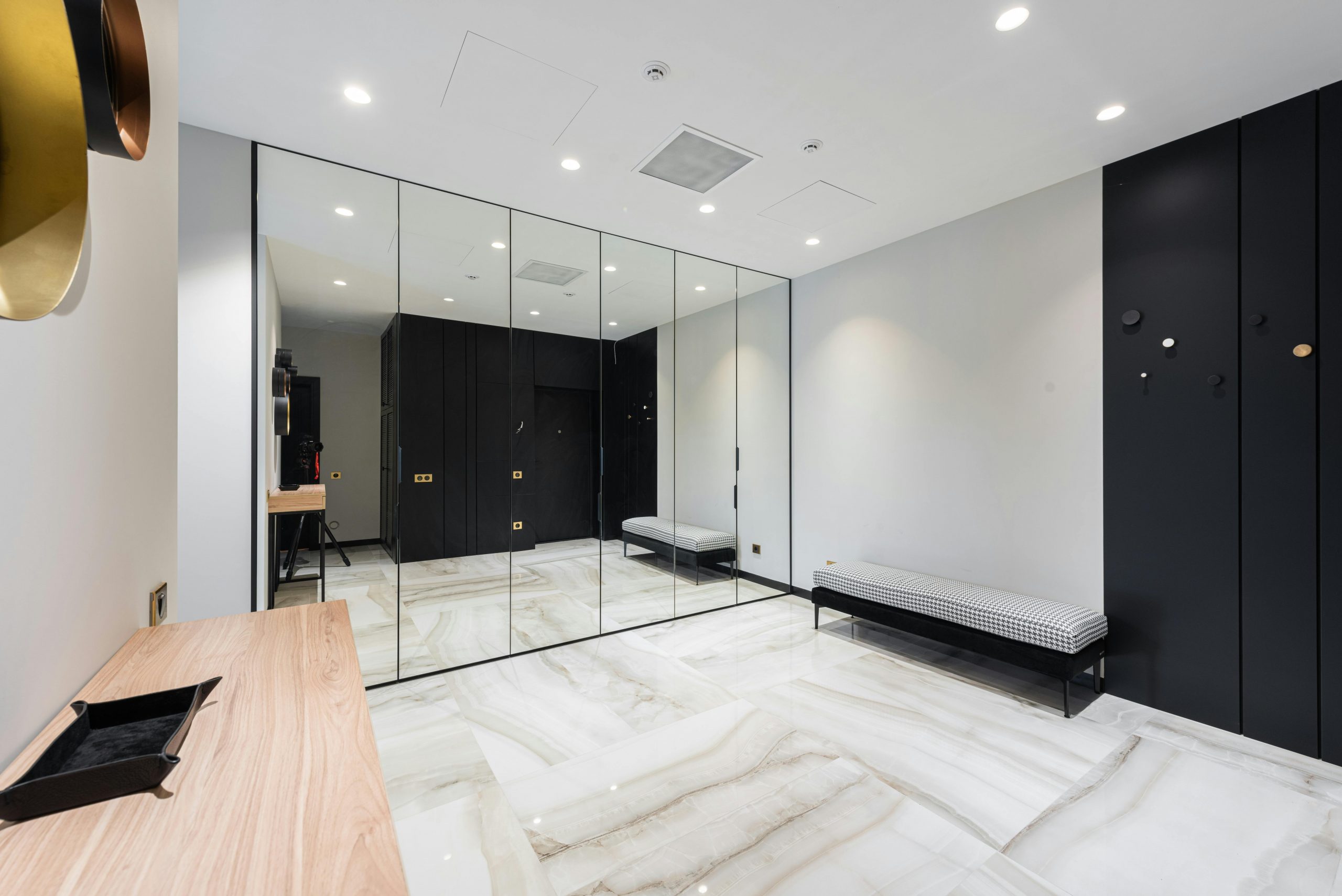
Floors often get overlooked when thinking about natural light. Lighter floors bounce light and create a brighter feel.
- Hardwood or laminate: Choose light shades like oak, maple, or ash.
- Light-colored rugs: Place them strategically to brighten darker corners.
- Polished surfaces: Glossy finishes reflect more light than matte surfaces.
Flooring may seem minor, but it can noticeably impact the overall room brightness.
12. Use Strategic Colour Accents and Art
Even subtle décor choices affect perceived light levels. Bright or reflective accents make a room feel sunnier.
- Bright artwork: Choose pieces with whites, yellows, or light blues.
- Light-colored cushions and throws: Spread across sofas or chairs to enhance light reflection.
- Reflective wall décor: Metallic or mirrored wall art can help bounce light.
Small decorative choices, paired with functional improvements, make a room feel naturally brighter.
13. Maintain and Refresh Existing Light Sources
Finally, don’t forget to care for your current light sources and windows. Over time, dust and aging materials reduce brightness.
- Clean light fixtures regularly: Dust can reduce bulb output by 25% or more.
- Replace dim or outdated bulbs: Modern LED bulbs are brighter and more energy-efficient.
- Inspect windows for damage: Cracks or dirt can reduce sunlight entry.
Regular maintenance ensures your natural light improvements remain effective.
Conclusion
Adding natural light to a room doesn’t always require major construction. From cleaning windows and using mirrors to installing skylights and choosing light colors, there are numerous strategies to make your home brighter. Even learning how to lighten a dark room with no natural light can transform windowless spaces with careful lighting and décor choices.
By combining practical changes with thoughtful design, you can turn any dark or cramped room into a welcoming, airy space that feels full of life. Remember, even small improvements—like trimming trees outside or adding a mirror—can have a big impact. Natural light is one of the simplest ways to make your home feel fresh, open, and vibrant.